
English language-based popularization of the Shinsengumi seems to keep on growing, as a quick Google search reveals. Unfortunately, most of this information is distorted, or simply wrong. Twenty or thirty years ago, almost nothing serious on the Shinsengumi existed in English. Today, the internet is filled with articles, videos, and discussions—most of them recycling the same half-remembered stories and television myths, mixed with manga- and anime-base fantasy.
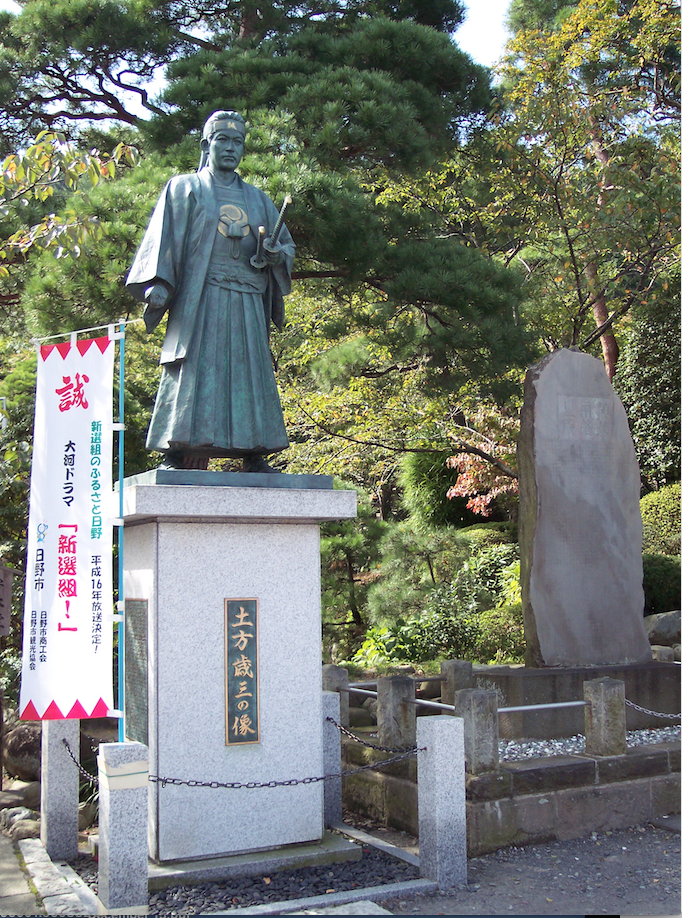
The only credible book in English about the Shinsengumi is my own, published by Tuttle in 2005. But it’s an introductory volume on the “shogun’s last samurai corps,” which is why in July 2017 I began writing my forthcoming Samurai Swordsmen: The Definitive History of the Shinsengumi amid the Fall of the Tokugawa Shogunate (1863–1869), to be published by Helion in fall 2026.
As the title indicates, I believe it will be both the definitive history of the Shinsengumi and a comprehensive history of the Bakumatsu–Meiji Restoration era, from the perspective of the losing side of the upheaval. In that sense, it is the perfect companion volume to my previous comprehensive history of the era, Samurai Revolution, which focuses on the victors, “through the eyes of the shogun’s last samurai.”
Updates and background materials related to Samurai Swordsmen: The Definitive History of the Shinsengumi amid the Fall of the Tokugawa Shogunate (1863–1869) will appear on the Shinsengumi Hub.
Samurai Swordsmen: The Definitive History of the Shinsengumi amid the Fall of the Tokugawa Shogunate (1863–1869) (Helion, 2026) is now in production.
For professional guidance on Bakumatsu–Meiji Restoration history, see Historical Consulting.
Explore my books at Books at a Glance.