This is the first entry of a series of key Japanese words in my books. Each entry will include a brief definition as I understand it.
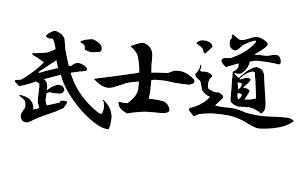
Bushido (武士道)
General definition: “Way of the warrior,” a direct translation by which bushido is widely referred to in English (“bushi” (武士) is a synonym of “samurai; “do” (道) is a suffix meaning “way”).
My brief definition: A moral philosophy partly based on Confucianism, whose cardinal virtues were loyalty, courage, and sincerity, developed throughout the peaceful 18th and 19th centuries, during which the samurai class, originally consisting of professional warriors, gradually lost its raison d’etre. Since there were no wars to fight, the samurai had plenty of time on their hands for philosophical and literary pursuits, including bushido, which was given new life as an actual “samurai code” during the violence and tumult of the final fifteen years of the Tokugawa Bakufu (1853-68), generally referred to as the Bakumatsu (to be defined in a separate entry).[1]
[1] Also see Samurai Revolution, Chapter 8: A Brief Discussion on Bushidō.
Samurai Swordsmen: The Definitive History of the Shinsengumi (Helion, 2026) is now in production.
For professional guidance on Bakumatsu–Meiji Restoration history, see Historical Consulting.
Explore my books at Books at a Glance.