
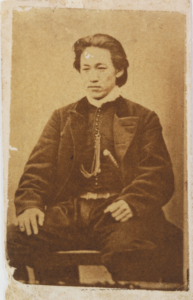
A few years after the Shinsengumi was formed in Kyoto in the spring of 1863, people in Hijikata’s native Hino could hardly believe reports of the bloodletting in Kyoto at the hands of the vice-commander because “he was such a gentle person,” according to one writer. But “Toshizō was a different man with a real sword in hand.” Once when Hijikata briefly returned to Hino, he reportedly told a gathering of family and friends that the blade of one of his swords had “corroded” from overexposure to human blood.
_________________
This post relates to my forthcoming book, Samurai Swordsmen: The Definitive History of the Shinsengumi (1863–1869). See the Shinsengumi Hub for additional essays and updates. I also provide consulting on Bakumatsu–Meiji Restoration history and culture to authors, editors, publishers, documentarians, producers, screenwriters, and other professionals who need expert guidance on the era.
To explore my other books, see Books at a Glance.
Follow me on Facebook | Amazon Author page