
Giri, usually translated as “duty,” “obligation,” or “moral debt,” is one of the most misunderstood elements of Japanese ethics. In the Bakumatsu era it shaped the behavior of men like Takéchi Hanpeita, Katsu Kaishū, and Sakamoto Ryōma, and it raises an important question today: does giri still survive in modern Japan?
In Samurai Revolution (Chapter 5) I wrote the following: “Giri was integral to bushidō, the code of the samurai, a basic tenet of which was “strictness with superiors, and leniency with subordinates.” Based on loyalty to one’s feudal lord (i.e., obligation for favor received from one’s lord) and integrity founded on shame, giri, to a great extent, accounted for the harmony in samurai society, and it was an inherent element of both the aesthetics and the moral courage of the samurai caste.

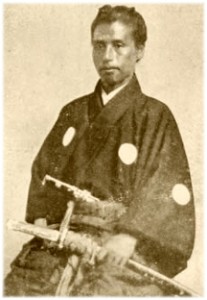
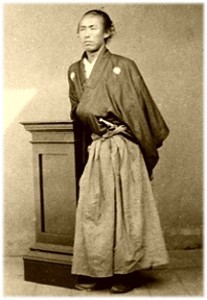
Takechi Hanpeita (武市半平太), leader of the Tosa Loyalist Party in the 1860s, wrote: “to be born a human being and not to have a sense of giri and gratitude is to be less than a beast.” (人と生まれて義理と恩とをしらざれハちくしょふにもおとり申し候)