
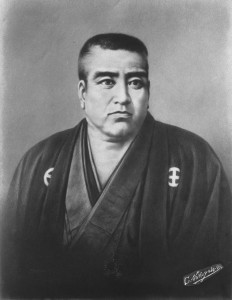
[After the Meiji Restoration of 1868] Saigō disdained the extravagant lifestyles and arrogance of government officials in Tokyo, particularly central government leaders whom he considered “thieves” for their high salaries and residences in former estates of feudal lords, while the common people around them suffered. In one of his moral precepts he stated that a government leader, in order to carry out his office properly, must conduct himself frugally with utmost restraint and decorum, and “be on guard against extravagance,” as a role model for the people. But, he admonished, those leaders of the post-Restoration government who had installed themselves in stately residences, adorned themselves with the finest clothes, and “keep beautiful mistresses and contrive to enrich themselves,” could never accomplish the great tasks which comprised the very purpose of the Restoration.
Samurai Swordsmen: The Definitive History of the Shinsengumi (Helion, 2026) is now in production.
For professional guidance on Bakumatsu–Meiji Restoration history, see Historical Consulting.
Explore my books at Books at a Glance.