
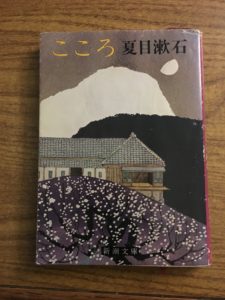
Natsume Soseki’s Kokoro, published in 1914 shortly after the end of the Meiji era (1868-1912), is one of my favorite novels. An underlying theme, of course, is the final stamp of modernity with the death of Emperor Meiji, under whose rule, which actually began with the overthrow of the Tokugawa Bakufu in 1868, Japan was modernized. The reading of Kokoro is enhanced, I think, by Shiba Ryotarō’s wonderful historical novel Junshi, about General Nogi Maresuke the famed hero of the Russo-Japan War whose seppuku in the wake of the death of Meiji Emperor shocked the country.
________________
Recently I have been focusing on my forthcoming Samurai Swordsmen: The Definitive History of the Shinsengumi (1863–1869), scheduled for publication in fall 2026 with Helion. I also provide consulting on Bakumatsu–Meiji Restoration history and culture to authors, editors, publishers, documentarians, producers, screenwriters, and other professionals who need expert guidance on the era.
To explore my books on the Meiji Restoration, see Books at a Glance.
Follow me on Facebook | Amazon Author page