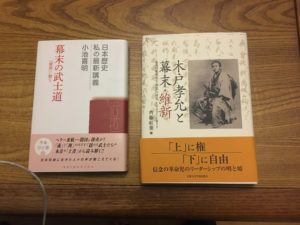
Left: A study of bushido during the Bakumatsu (Bakumatsu no Bushido; Yoshiaki Koike, 2015)
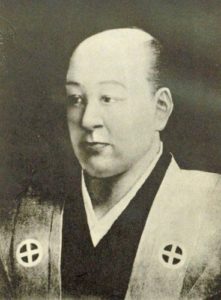
Right: A study of Kido Takayoshi during the Bakumatsu – Restoration period (Kido Takayoshi to Bakumatsu Ishin; Momiji Saito, 2018)

Left: A study of bushido during the Bakumatsu (Bakumatsu no Bushido; Yoshiaki Koike, 2015)
Right: A study of Kido Takayoshi during the Bakumatsu – Restoration period (Kido Takayoshi to Bakumatsu Ishin; Momiji Saito, 2018)


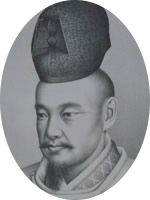
The powerful feudal lords Tokugawa Nariaki of Mito (left) and Shimazu Nariakira of Satsuma (right) fit, to a certain extent, the definition of Platonic “philosopher king.” They were of course contemporaries; and Nariakira supported Nariaki’s son, Yoshinobu, in the political fight against the shogun’s regent, Ii Naosuke, to succeed Shogun Iesada.
Tokugawa Yoshinobu was the last shogun. The most powerful driving force behind the overthrow of Yoshinobu’s government, the Tokugawa Bakufu, and Yoshinobu himself, was Saigo Takamori of Satsuma. Saigo was Nariakira’s favorite vassal (samurai).
I will not discuss the relationship between the two feudal lords here. Nor will I explain why I call them “philosopher kings,” other than to mention that both realized some very important technological, pedagogical and philosophical changes in their respective domains. I have written about both of these feudal lords, and of course about Yoshinobu and Saigo, in my two most recent books, Samurai Revolution and Samurai Assassins.
[The photo of Tokugawa Nariaki is from the Tokugawa Museum. The photo of Shimazu Nariaki is from the National Diet Library.]
_____________
Recently I have been focusing on my forthcoming Samurai Swordsmen: The Definitive History of the Shinsengumi (1863–1869), scheduled for publication in fall 2026 with Helion. I also provide consulting on Bakumatsu–Meiji Restoration history and culture to authors, editors, publishers, documentarians, producers, screenwriters, translators, and other professionals who need expert guidance on the era.
To explore my books on the Bakumatsu-Meiji Restoration, see Books at a Glance.
Follow me on Facebook | Amazon Author page

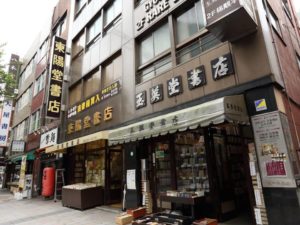
Along with Ueno Park, the used bookstore district in Jinbocho is one of my favorite places in Tokyo. I spent hours browsing there earlier this month. I have found so many invaluable books there over the years.
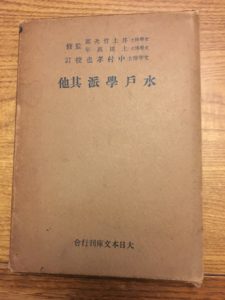
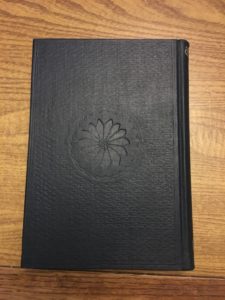
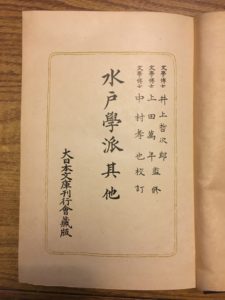
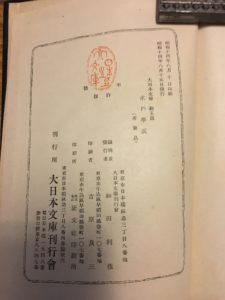
Recently at Jinbocho, I found this gem. Published in 1939, it includes the most important primary sources to focus on the origins of Mitogaku.


The Imperial Chrysanthemum on the front cover is interesting (1939).
[The photo of the Jinbocho street scene is from travel.mynavi.jp.]

Tokugawa Nariaki was the ninth daimyo of Mito and father of the last shogun, Tokugawa Yoshinobu. He was a reactionary who despised everything Western. He advocated answering foreign demands on Japanese sovereignty with cannon fire and the tempered razor-sharp steel of the Japanese sword. His Mito domain, the cradle of Imperial Loyalism, attracted Imperial Loyalists throughout Japan; and it was Nariaki who coined the Loyalists’ war cry of Sonnō-Jōi—Revere the Emperor and Expel the Barbarians (abbreviated as Son-Jō).
In 1841 Nariaki established the famed Kōdōkan within the precincts of Mito Castle, as the official school of Mito Han. The famous “Sonjō” tablet (below) hangs on the back wall of a room beyond an entrance to the Kōdōkan.
For more on Tokugawa Nariaki’s life and influence, read my post on the two “philosopher kings” of the Bakumatsu.
[The photograph of Nariaki is from the Tokugawa Museum in Mito.]
_____________
Recently I have been focusing on his forthcoming Samurai Swordsmen: The Definitive History of the Shinsengumi (1863–1869), scheduled for publication in fall 2026 with Helion. I also provide consulting on Bakumatsu–Meiji Restoration history and culture to authors, editors, publishers, documentarians, producers, screenwriters, and other professionals who need expert guidance on the era.
To explore my books on the Meiji Restoration, see Books at a Glance.
Follow me on Facebook | Amazon Author page